Sustainable Tourism in Kenya: Why Farm Tours Matter
As the global travel industry shifts toward more ethical and environmentally conscious practices, the spotlight has turned to East Africa’s unique approach to conservation. While many think of solar-powered lodges or plastic bans in national parks, a more grounded movement is taking root. Understanding Sustainable Tourism in Kenya: Why Farm Tours Matter requires a look at how agriculture and travel intersect to protect the environment while empowering local communities.
From the shadow of Mount Kilimanjaro to the heart of the Rift Valley, Farms in Kenya are proving that tourism can do more than just entertain—it can regenerate. Leading this green revolution is Nature’s Crest Farm, a destination dedicated to proving that the future of travel lies in the soil. Consequently, agritourism has become the cornerstone of the country’s ecological preservation strategy.
The Core Pillars of Sustainable Tourism in Kenya: Why Farm Tours Matter
Sustainable tourism is defined by its ability to maintain environmental integrity and support local livelihoods. Agritourism fits this definition perfectly. To understand Sustainable Tourism in Kenya: Why Farm Tours Matter, we must examine the three pillars of sustainability: environmental, social, and economic.
1. Environmental Stewardship through Regenerative Farming
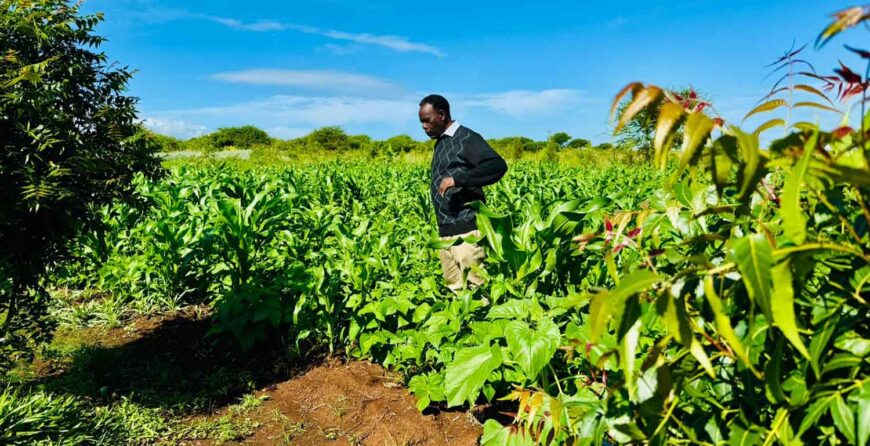
Traditional tourism often leaves a heavy carbon footprint. However, Organic Farming in Kenya acts as a carbon sink. Farms that utilize permaculture and avoid synthetic chemicals help restore soil health. When you visit Nature’s Crest Farm, you aren’t just a spectator; you are supporting a system that actively fights climate change by planting indigenous trees and preserving local water tables.
2. Social Empowerment and Cultural Preservation
Agritourism keeps rural traditions alive. Because farm tours often take place in remote villages like Paranai in Loitokitok, they provide a platform for local people to share their indigenous knowledge. Whether it is explaining the wellness benefits of guava leaves or demonstrating traditional irrigation, these tours ensure that cultural heritage is not lost to modernization. Therefore, the social impact is just as vital as the environmental one.
3. Economic Resilience for Rural Communities
Agriculture is the backbone of the Kenyan economy, yet many small-scale farmers struggle with price fluctuations. By opening their gates to tourists, Farms in Kajiado diversify their income. This financial stability allows farmers to invest in better technology and sustainable infrastructure. This economic link is a primary reason Sustainable Tourism in Kenya: Why Farm Tours Matter for the country’s long-term growth.
Exploring Nature’s Crest Farm: A Model of Sustainability
If you are looking for a practical example of Sustainable Tourism in Kenya: Why Farm Tours Matter, look no further than Nature’s Crest Farm. Located near the border of the world-famous Amboseli National Park, this farm serves as a buffer zone that promotes harmony between human activity and wildlife.
Agritourism and Wildlife Conservation
One of the most fascinating aspects of Farm Tours near Amboseli is the role they play in conservation. When farmers use sustainable methods, they reduce human-wildlife conflict. By providing a stable environment for local flora and fauna to thrive, Nature’s Crest Farm creates a safe corridor for migratory birds and small mammals. Consequently, your visit to the farm indirectly supports the health of the entire Amboseli ecosystem.
Hands-On Education: The Experience
Sustainability is not a passive concept at Nature’s Crest. Through our educational programs, visitors engage in:
-
Seed Saving: Learning how to preserve indigenous seeds for future generations.
-
Natural Pest Management: Discovering how marigolds and other plants protect crops without the need for toxic sprays.
-
Water Harvesting: Seeing how gravity-fed systems from Mount Kilimanjaro runoff can be used efficiently.
Because of this immersive approach, guests leave with a deeper understanding of Sustainable Tourism in Kenya: Why Farm Tours Matter.
The Health Connection: Why Organic Matters
A major part of the sustainable journey involves personal wellness. At Nature’s Crest Farm, sustainability extends to the human body. As a visitor, you are introduced to the concept of “Food as Medicine,” which is a significant component of Sustainable Tourism in Kenya: Why Farm Tours Matter.
The Wellness Benefits of Guava Leaves
During a guided walk, you might spend time at the guava orchard. Here, the guides explain the health benefits of guava leaves, which include:
-
Immune Support: High concentrations of antioxidants that help the body fight off infections.
-
Natural Sugar Regulation: Assisting in the management of blood glucose levels.
-
Anti-Inflammatory Properties: Useful for soothing digestive issues and even menstrual pain.
By promoting these natural remedies, Kenyan Farm Tours encourages a lifestyle that is less reliant on industrial pharmaceuticals, which often have a high environmental cost. Therefore, choosing an organic farm tour is a vote for both personal and planetary health.
School Farm Tours in Kenya: Educating Future Conservationists
We cannot discuss Sustainable Tourism in Kenya: Why Farm Tours Matter without mentioning the next generation. School farm tours in Kenya are essential for planting the seeds of sustainability in young minds.
When children from Nairobi or other urban centers visit Farms in Loitokitok, they see a world beyond the supermarket shelf. They learn that:
-
Soil is a Living Organism: It requires care and nourishment, not just chemicals.
-
Water is a Finite Resource: Every drop used on the farm is precious.
-
Agriculture is Tech-Forward: From solar-powered pumps to digital soil sensors, the future of farming is exciting.
By fostering this connection, Farm Tours in Kenya ensure that the leaders of tomorrow will prioritize environmental protection.
How to Support Sustainable Tourism in Kenya: Why Farm Tours Matter
As a traveler, your choices have power. To ensure your trip contributes to the message of Sustainable Tourism in Kenya: Why Farm Tours Matter, consider the following tips:
-
Prioritize Local Brands: Choose family-run operations like Nature’s Crest Farm over large-scale industrial tours.
-
Respect the Environment: Follow “Leave No Trace” principles, even on a working farm.
-
Engage with the Community: Buy honey, tea, or crafts directly from the farm shop to ensure the money stays within the local economy.
-
Spread the Word: Sharing your experience helps other travelers understand Sustainable Tourism in Kenya: Why Farm Tours Matter.
Summary: A Greener Path Forward
In conclusion, the rise of agritourism is not just a trend; it is a necessity. Sustainable Tourism in Kenya: Why Farm Tours Matter because it provides a blueprint for how we can explore the world without destroying it. By choosing to visit Farms in Kenya, specifically those practicing Organic Farming in Kenya, you are participating in a global movement toward restoration and respect.
Whether you are standing in the shadow of Mount Kilimanjaro or learning about the wellness benefits of guava leaves at Nature’s Crest Farm, you are witnessing the beauty of a sustainable future. The land gives to us, and through these tours, we learn how to give back to the land.
Frequently Asked Questions (FAQs)
What makes a farm tour “sustainable”?
A sustainable farm tour focuses on regenerative agriculture, avoids harmful chemicals, treats workers fairly, and provides educational value to the visitor about environmental protection.
How do farm tours help the local economy?
They provide extra income for farmers, create jobs for local guides, and encourage the growth of small businesses that sell crafts or local produce to visitors.
Are farm tours near Amboseli safe?
Absolutely. Professional farms like Nature’s Crest Farm have secure perimeters and experienced guides who ensure that your visit is safe, educational, and comfortable.
Can I visit Nature’s Crest Farm year-round?
Yes, although the experience changes with the seasons. The rainy season brings lush greenery, while the dry season offers clearer views of Mount Kilimanjaro.
Internal & External Links
External Authoritative Sources: