Farm Tours in Kenya That Teach Organic & Regenerative Farming
As global concerns regarding soil depletion and chemical dependency grow, a new wave of travelers currently seeks out destinations that offer more than just a scenic view. Specifically, they look for knowledge. Farm Tours in Kenya That Teach Organic & Regenerative Farming have become the primary destination for those who want to understand the future of food security. Instead of observing traditional, high-input agriculture, visitors now immerse themselves in systems that actually heal the earth. Consequently, these tours provide a blueprint for a lifestyle that prioritizes ecological restoration over short-term exploitation.
From the volcanic slopes of Loitokitok to the innovative fields near Mount Kilimanjaro, the Kenyan landscape serves as a laboratory for sustainable living. Specifically, Nature’s Crest Farm leads this movement by demonstrating that high-yield production and environmental health can coexist. Therefore, whether you seek to transform your backyard or launch a large-scale enterprise, these tours equip you with the practical tools for success.
The Core Philosophy: Why Regenerative Farming Matters
To understand the value of Farm Tours in Kenya That Teach Organic & Regenerative Farming, one must first distinguish between “sustainable” and “regenerative” practices. While sustainability aims to maintain the status quo, regeneration aims to improve it.
1. Building Living Soil
The most critical lesson involves the soil. At Nature’s Crest Farm, you learn that soil constitutes a living, breathing organism rather than a dead medium. Specifically, you witness how Organic Farming in Kenya utilizes cover crops and no-till methods to preserve the delicate soil microbiome. Furthermore, because these practices increase carbon sequestration, you discover how a small farm can actively fight climate change. Consequently, you leave with a deep respect for the complex world beneath your feet.
2. Mimicking Natural Ecosystems
Regenerative farming relies on the principle of biomimicry. Specifically, you observe how Farms in Loitokitok integrate diverse plant species to create a self-sustaining loop. For example, instead of using synthetic nitrogen, farmers plant legumes that naturally fix nitrogen in the soil. Therefore, the farm functions as a miniature forest where every element supports the other. This holistic perspective represents a primary takeaway for anyone attending Farm Tours in Kenya That Teach Organic & Regenerative Farming.
Hands-On Techniques: What You Will Master
A visit to Nature’s Crest Farm provides a practical toolkit for any aspiring eco-conscious gardener. Specifically, the workshops focus on low-cost, high-impact techniques that anyone can replicate.
Composting and Bio-Fertilizers
Specifically, you learn the art of “Black Gold” production. The farm demonstrates several composting styles:
-
Aerobic Composting: Managing heat and moisture to turn waste into nutrients quickly.
-
Vermiculture: Utilizing worms to create highly potent fertilizer for delicate crops.
-
Liquid Bio-Slurry: Understanding how to use fermented plant extracts to boost crop immunity.
Because these methods eliminate the need for expensive commercial fertilizers, they prove highly popular among those interested in Agribusiness in Kajiado. Consequently, you learn to see “waste” as a valuable resource.
Permaculture Design and Water Stewardship
Specifically, Farm Tours in Kenya That Teach Organic & Regenerative Farming emphasize the efficient use of water. In the shadow of Mount Kilimanjaro, you observe how gravity-fed systems and swales prevent erosion while hydrating the land. Furthermore, you learn how to design a garden that captures every drop of rain. Therefore, even in dry regions, your crops can remain vibrant and productive.
Health and the Regenerative Connection
At Nature’s Crest Farm, the SDA health message remains inextricably linked to the quality of the soil. Specifically, you learn that you cannot have healthy people without healthy plants.
The Wellness Benefits of Guava Leaves in a Regenerative System
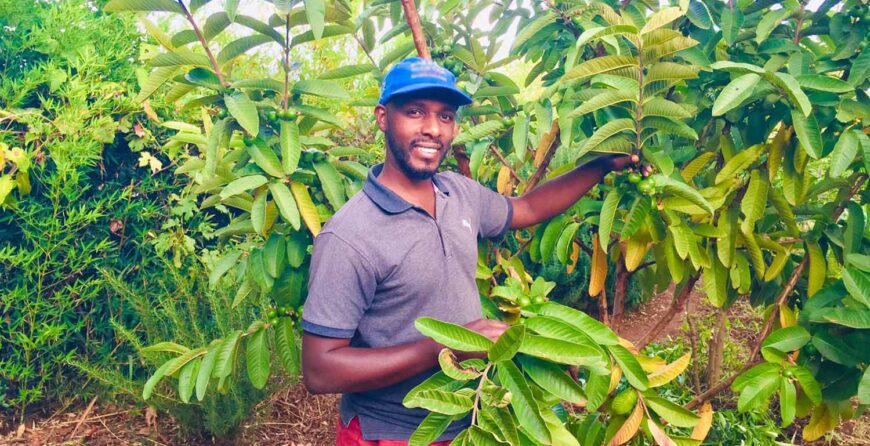
During the tour, you explore the guava orchards, which thrive under regenerative care. Specifically, you learn how chemical-free soil enhances the health benefits of guava leaves.
-
Managing Blood Sugar: You discover how the organic minerals in the soil translate to more potent medicinal tea.
-
Immune Boosting: Specifically, you learn that plants grown in biodiverse environments produce higher levels of antioxidants.
-
Digestive Harmony: You witness how “clean” food supports a healthy gut microbiome.
Because you harvest the leaves yourself, you experience the direct connection between regenerative labor and physical vitality. Thus, the farm serves as both a classroom and a natural pharmacy.
Educational Impact: School Farm Tours in Kenya
We must also prepare the next generation to be stewards of the land. School farm tours in Kenya specifically focused on regeneration provide students with a sense of hope and agency.
At Farms in Kenya, students discover that they have the power to fix broken ecosystems. Specifically, they learn:
-
Biodiversity Studies: Identifying the “good bugs” that protect crops from pests.
-
Climate Literacy: Understanding how organic matter in the soil holds carbon.
-
Economic Resilience: Seeing how Agribusiness in Kenya can thrive using local, natural inputs.
Consequently, by attending Farm Tours in Kenya That Teach Organic & Regenerative Farming, students begin to view agriculture as a high-tech, noble, and essential solution to global problems.
Strategic Advantage: Farm Tours Near Amboseli
Location matters significantly when studying these systems. Specifically, Farm Tours near Amboseli provide a unique look at how agriculture interacts with wildlife and arid climates.
Creating Buffer Zones for Wildlife
Specifically, regenerative farms act as safe havens for local fauna. Because Nature’s Crest Farm avoids toxic sprays, it supports healthy populations of bees and birds that are vital for the Amboseli ecosystem. Furthermore, you learn how a farm can provide “green corridors” for migratory species. Therefore, your interest in farming becomes an interest in conservation. This dual impact explains why Sustainable Tourism in Kenya continues to attract global attention.
Summary: A Journey Toward Restoration
In conclusion, Farm Tours in Kenya That Teach Organic & Regenerative Farming offer a life-changing perspective on our relationship with the earth. Specifically, by visiting Nature’s Crest Farm, you move beyond the “take-make-waste” model of the past. Instead, you embrace a future where farming creates life, health, and abundance.
Whether you are looking for the health benefits of guava leaves or the secrets of soil carbon, you will find them here. Specifically, the land follows a divine order that, when respected, provides for all our needs. Therefore, do not just visit a farm this year—visit a revolution. The soil stands ready to teach you how to heal the world.
Frequently Asked Questions (FAQs)
What is the biggest difference between organic and regenerative?
Organic primarily focuses on what not to use (no chemicals). Regenerative focuses on what to do (rebuild soil, increase biodiversity, and improve the ecosystem).
Can I learn regenerative farming on a day trip?
Yes! Specifically, a day tour at Nature’s Crest Farm provides a comprehensive overview of the core principles. However, a multi-day retreat allows for deeper hands-on practice.
Is regenerative farming more expensive?
In the long run, no. Specifically, because you use natural inputs like compost and cover crops, you significantly reduce the cost of buying external fertilizers and pesticides.
Do these techniques work in dry areas?
Absolutely. Specifically, regenerative techniques like mulching and swales are designed to help soil retain moisture, making them perfect for Farms in Kajiado.
Internal & External Links
Internal Resources:
External Authoritative Sources: