Best Time of Year to Go for Farm Tours in Kenya
Choosing the right moment for an agricultural escape can significantly impact the quality of your experience. While traditional safaris focus on wildlife migrations, agritourism follows the rhythm of the rains and the ripening of crops. Best Time of Year to Go for Farm Tours in Kenya depends largely on whether you prefer lush, green landscapes or clear, golden skies perfect for photography. Because Kenya sits on the equator, the weather remains relatively consistent, yet subtle seasonal shifts dictate when the harvests are most bountiful.
From the high-altitude breezes of Loitokitok to the sun-drenched plains of Kajiado, Farms in Kenya offer something unique in every season. Specifically, Nature’s Crest Farm provides a sanctuary where travelers can witness the intersection of climate and cultivation. Consequently, understanding the seasonal calendar ensures that your visit aligns with your personal wellness and travel goals.
The Peak Seasons: Best Time of Year to Go for Farm Tours in Kenya
Most travelers find that the months of January through February and June through October represent the Best Time of Year to Go for Farm Tours in Kenya. During these windows, the weather remains dry and predictable. Therefore, these periods are ideal for those who wish to spend long hours outdoors without the interruption of heavy downpours.
1. The Long Dry Season (June to October)
This period constitutes the most popular time for visitors. Because the skies remain clear, the views of Mount Kilimanjaro from Nature’s Crest Farm are absolutely breathtaking. Furthermore, the cooler temperatures make walking through the organic orchards a pleasant experience rather than an exhausting one. Specifically, if you enjoy “Sabbath in the Wild” retreats, the crisp air of August provides the perfect atmosphere for deep reflection.
2. The Short Dry Season (January to February)
This season follows the short rains, meaning the land stays vibrant and green even as the sun begins to intensify. Consequently, it is a fantastic time for photographers who want to capture the contrast between the verdant Farms in Loitokitok and the snow-capped mountain. Additionally, many tropical fruits reach their peak sweetness during these warmer months. Thus, this is often cited as the Best Time of Year to Go for Farm Tours in Kenya for fruit lovers.
Harvesting and Wellness: Timing Your Visit for Health
A major draw for many visitors involves the medicinal and nutritional aspects of agritourism. Therefore, the Best Time of Year to Go for Farm Tours in Kenya may depend on when certain herbal remedies are most potent.
Spotlight on the Guava Harvest
At Nature’s Crest Farm, the guava trees follow a specific cycle. Specifically, harvesting your own leaves to enjoy the wellness benefits of guava leaves is a highlight for many. Because guava leaves are most nutrient-dense during the transition from the rainy to the dry season, timing your visit for June or December can be highly beneficial. Specifically, you can learn how these leaves help in:
-
Managing Blood Sugar: The tea acts as a natural stabilizer for glucose levels.
-
Immune Defense: Freshly picked leaves contain the highest concentrations of antioxidants.
-
Digestive Soothing: The antimicrobial properties are at their peak during the active growth phases.
Because the farm follows the SDA health message, the staff ensures that every visitor learns how to use these natural gifts effectively. Consequently, the timing of your visit directly impacts the “living pharmacy” experience.
The Beauty of the Rain: Best Time of Year to Go for Farm Tours in Kenya
While many avoid the rain, “green season” enthusiasts argue that the wet months are actually the Best Time of Year to Go for Farm Tours in Kenya. The rainy seasons typically occur from March to May (long rains) and November to December (short rains).
Why the Rainy Season Matters
During these months, the dust of the plains vanishes, and the earth practically vibrates with life. Specifically, Nature’s Crest Farm utilizes advanced water harvesting techniques to manage the abundance.
-
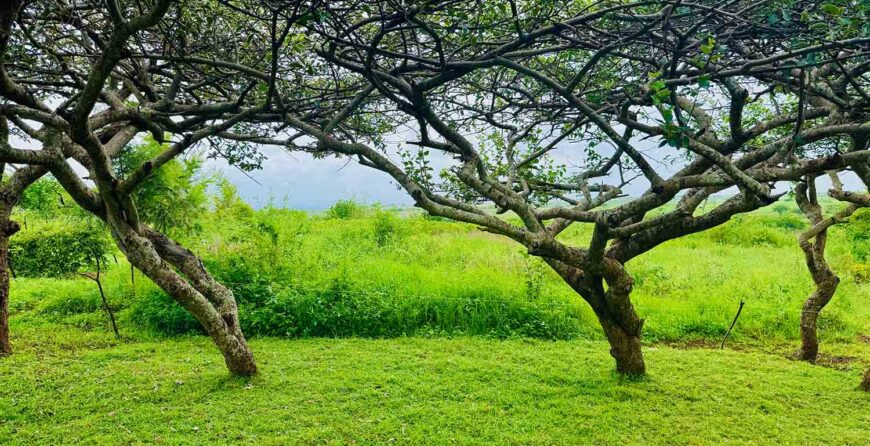
Intense Colors: The emerald hues of the Farms in Kajiado become incredibly saturated, making it a dream for nature lovers.
-
Fewer Crowds: Because most tourists stay home, you can enjoy a more intimate and quiet experience.
-
Lower Costs: Many Eco-farm stays in Kenya offer “green season” rates, making it more affordable for families.
Therefore, if you seek total solitude and a “mental reset” through the sound of falling rain, the months of April or November might be your personal Best Time of Year to Go for Farm Tours in Kenya.
Educational Cycles: School Farm Tours in Kenya
For educators and parents, the Best Time of Year to Go for Farm Tours in Kenya usually aligns with the academic calendar. School farm tours in Kenya are most popular during the half-term breaks and the long December holidays.
At Farms in Loitokitok, students can witness the full cycle of Organic Farming in Kenya:
-
Planting (March & November): Students learn about soil preparation and seed selection.
-
Growth & Maintenance (June & July): Children observe pest management and irrigation techniques.
-
Harvest (August & December): Youth experience the reward of physical labor and the “farm-to-table” process.
Because Nature’s Crest Farm is a Seventh-day Adventist-owned establishment, they emphasize the dignity of labor throughout every season. Consequently, students leave with a holistic understanding of how food reaches their plates.
Proximity and Planning: Farm Tours Near Amboseli
If you are already planning a wildlife safari, the Best Time of Year to Go for Farm Tours in Kenya should align with the Great Migration or peak game-viewing months. Farm Tours near Amboseli serve as the perfect complement to a dusty game drive.
The Strategic Advantage of Loitokitok
Because Loitokitok has a unique microclimate, it remains cooler and more fertile than the surrounding lowlands. Therefore, even when the national parks look parched, the Farms in Kajiado remain a green oasis. Specifically, visiting in September allows you to see elephants in the park in the morning and enjoy a “Scented Tour” at Nature’s Crest Farm in the afternoon. Consequently, you get the best of both worlds—wildlife and wellness.
Summary: A Season for Every Soul
In conclusion, there is no single “wrong” time to visit, but the Best Time of Year to Go for Farm Tours in Kenya depends on your specific interests. If you want clear mountain views and dry walking paths, choose the dry seasons of July to September. Conversely, if you crave the lush beauty of a regenerating landscape and the smell of fresh rain on soil, the “green seasons” will satisfy your soul.
Whether you are seeking the health benefits of guava leaves or a quiet “Sabbath in the Wild” experience, Nature’s Crest Farm stands ready to welcome you. Specifically, the land follows its own divine clock, and every month offers a different lesson in growth and grace. Therefore, book your journey today and discover why agritourism is a year-round blessing.
Frequently Asked Questions (FAQs)
When is the best time for clear views of Mount Kilimanjaro?
The clearest views typically occur during the dry months of January, February, and June through September. Specifically, early mornings during these months provide the most unobstructed vistas from Nature’s Crest Farm.
Is the farm closed during the rainy season?
No, the farm remains active year-round! While some paths may be muddy, the rainy season is the most vibrant time to witness Organic Farming in Kenya in full swing.
When is the best time for school farm tours?
The best times are during the school holidays in April, August, and December. Specifically, the August harvest season offers the most hands-on activities for students.
Does the weather affect the herbal tours?
While herbs grow year-round, they are particularly aromatic and lush immediately following the rains. Consequently, May and December are fantastic for “Scented Tours.”
Internal & External Links
Internal Resources:
External Authoritative Sources: