Planning a Group Farm Tour in Kenya: A Complete Checklist
Organizing a trip for a large number of people—whether a church ministry, a corporate team, or an extended family—requires more than just a destination; it requires a strategy. Specifically, Planning a Group Farm Tour in Kenya involves balancing diverse interests, managing logistics, and ensuring that every participant finds value in the soil. Unlike solo travel, group visits must account for varying physical abilities, dietary needs, and learning goals. Consequently, a well-structured plan is the difference between a chaotic outing and a life-changing retreat.
From the scenic volcanic plains of Loitokitok to the lush orchards of Nature’s Crest Farm, the Kenyan countryside offers the perfect backdrop for collective restoration. Therefore, by following this comprehensive checklist, you can ensure that your group experiences the very best of Organic Farming in Kenya while enjoying the majestic views of Mount Kilimanjaro.
Phase 1: Objective and Audience Alignment
The first step in Planning a Group Farm Tour in Kenya is defining the “soul” of the trip. Specifically, you must align the farm’s offerings with your group’s specific needs.
-
Define the Goal: Is this for spiritual renewal, technical agribusiness training, or a simple “mental reset”?
-
Know Your Demographic: A group of retirees seeking the health benefits of guava leaves will have different needs than a youth group focused on physical labor.
-
Assess Mobility: Specifically, ensure the farm paths are accessible for all members of your party. At Nature’s Crest Farm, we provide guided routes that cater to various fitness levels.
Phase 2: Logistics and Scheduling
Timing and transport are the pillars of successful group travel. Specifically, when Planning a Group Farm Tour in Kenya, you must consider the “mountain window” and road travel times.
-
Transportation: Book a reliable bus or van that can handle the 3-hour drive from Nairobi to Loitokitok. Ensure the vehicle has sufficient ground clearance for the final stretch of rural road.
-
The Early Start: Specifically, plan to leave the city by 6:00 AM. This ensures you arrive at Nature’s Crest Farm in time for the clearest views of Mount Kilimanjaro.
-
Seasonal Check: Verify what is currently in season. Consequently, you can tailor your visit to witness specific events like planting or harvesting.
Phase 3: Wellness and Dietary Planning
A group tour is only as good as the food and the environment. Specifically, Planning a Group Farm Tour in Kenya requires a focus on holistic health.
-
Farm-to-Table Meals: Coordinate with the farm to provide organic, plant-based meals. At Nature’s Crest Farm, we emphasize the SDA health message, providing nutrient-dense food harvested directly from our soil.
-
Hydration: Ensure there is plenty of clean water. Specifically, we recommend trying our herbal infusions, such as organic guava leaf tea, known for managing blood sugar and boosting immunity.
-
Alcohol-Free Policy: Ensure the group is aware of the farm’s values. Consequently, this maintains a peaceful, wholesome atmosphere for everyone.
Phase 4: Educational and Spiritual Activities
To make the most of Planning a Group Farm Tour in Kenya, you should schedule structured sessions that engage the mind and spirit.
-
Guided “Scented Tours”: Specifically, book an expert to lead the group through the medicinal gardens. This is where participants learn the secrets of Organic Farming in Kenya.
-
Workshops: Include hands-on activities like composting or tree planting. This builds team cohesion and teaches the dignity of labor.
-
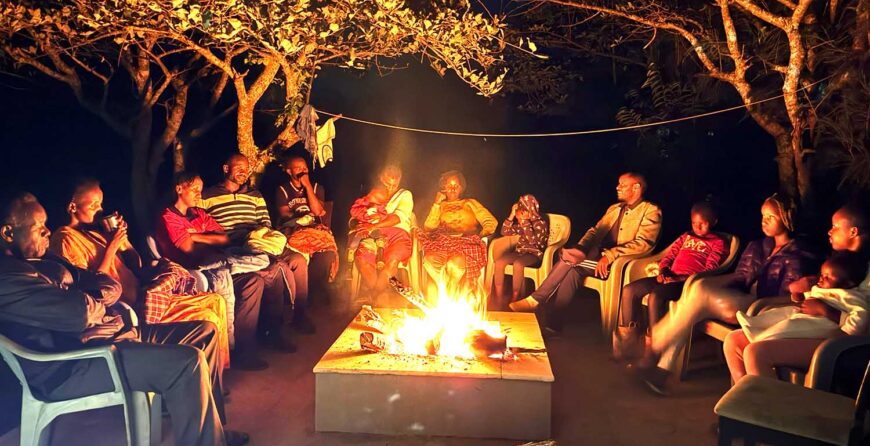
Sabbath in the Wild: For faith-based groups, set aside time for collective prayer and biblical meditation in the shadow of the mountain.
The Group Leader’s Final Checklist
Before you head out, verify these final details to ensure a seamless experience:
-
Direct Communication: Have you confirmed the number of participants with Nature’s Crest Farm?
-
Safety Briefing: Specifically, have you told participants to wear sturdy, closed-toe shoes and bring sun protection?
-
Educational Material: Will you need notebooks or handouts for the agribusiness sessions?
-
First Aid: While the farm is safe, always carry a basic first aid kit for minor scrapes during the “outdoor classroom” activities.
Summary: A Blueprint for Success
In conclusion, Planning a Group Farm Tour in Kenya is a rewarding endeavor that can foster deep community bonds. Specifically, by choosing a destination like Nature’s Crest Farm, you provide your group with a sanctuary of health, education, and peace. Whether you are learning about the wellness benefits of guava leaves or gazing at Mount Kilimanjaro, the collective experience of the land is unparalleled.
By following this checklist, you ensure that no detail is overlooked. Specifically, you move from being a simple “organizer” to a “facilitator of transformation.” Consequently, your group will return home not just rested, but renewed and inspired for the future. Therefore, take the first step today and book your group’s path to the soil.
Frequently Asked Questions (FAQs)
What is the maximum group size Nature’s Crest Farm can accommodate?
Specifically, we can host groups of up to 50 people for day tours. For larger groups, we recommend staggered sessions to maintain the peaceful atmosphere of our Farms in Loitokitok.
Do you offer discounts for church or school groups?
Yes! Specifically, we provide special rates for School Farm Tours in Kenya and faith-based organizations as part of our mission to promote holistic health.
Can we customize the educational sessions?
Absolutely. Specifically, we can focus more on agribusiness, herbal medicine, or spiritual meditation depending on your group’s primary objective.
Is there accommodation for overnight groups?
Specifically, we can recommend nearby eco-lodges or coordinate on-farm camping for youth groups seeking a “Sabbath in the Wild” overnight experience.
Internal & External Links
Internal Resources:
External Authoritative Sources: