Rainy vs Dry Season Farm Tours in Kenya: What to Know
Deciding when to visit the countryside requires a clear understanding of the local climate and its impact on the land. While many travelers instinctively avoid the wet months, others find that the agricultural world truly comes alive under the rain. Rainy vs Dry Season Farm Tours in Kenya: What to Know involves more than just checking the temperature; it requires a look at harvest cycles, road accessibility, and the overall sensory experience. Because Kenya’s bimodal rainfall pattern dictates the rhythm of life, each season offers a distinct personality.
From the volcanic soils of Loitokitok to the expansive vistas near Mount Kilimanjaro, the weather transforms the landscape daily. Specifically, Nature’s Crest Farm provides a unique vantage point to witness these seasonal transitions. Consequently, whether you seek the golden light of the dry season or the emerald brilliance of the rains, your choice will shape your journey toward wellness.
The Dry Season: Golden Vistas and Easy Access
Most visitors prefer the dry months, which typically occur from June to October and January to February. To understand Rainy vs Dry Season Farm Tours in Kenya: What to Know, one must appreciate the convenience and clarity that these months offer.
1. Unobstructed Views of Mount Kilimanjaro
During the dry season, the haze often clears, revealing the majestic, snow-capped peak of the mountain. Specifically, Nature’s Crest Farm offers some of the best photographic opportunities during these clear mornings. Furthermore, because there are no clouds to obscure the sun, the light remains perfect for landscape shots. Therefore, if your primary goal involves capturing stunning imagery of Farms in Kenya, the dry season serves you best.
2. Reliable Road Conditions and Outdoor Activities
Dry weather ensures that the rural roads leading to Farms in Loitokitok remain easily navigable. Specifically, you can participate in “Sabbath in the Wild” retreats without worrying about sudden downpours. Furthermore, the firm ground allows for extensive hiking and “Scented Tours” through the orchards. Consequently, you can explore every corner of the property with ease.
The Rainy Season: A Rejuvenated Oasis
While the dry season offers convenience, the rainy months from March to May and November to December offer a sensory explosion. To grasp Rainy vs Dry Season Farm Tours in Kenya: What to Know, you must see the rain as a restorer rather than a disruptor.
1. The Emerald Transformation of the Land
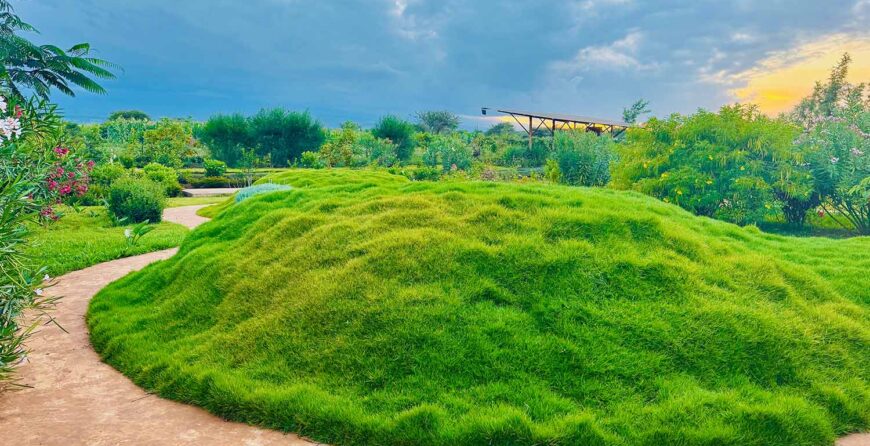
As soon as the first rains fall, the parched earth of Kajiado transforms into a vibrant green paradise. Specifically, the plants at Nature’s Crest Farm grow with an intensity that is visible to the naked eye. Furthermore, the air becomes incredibly fresh and free of dust. Consequently, this season is ideal for those seeking a total “mental reset” and a connection to the raw power of nature.
2. Lower Costs and Intimate Experiences
Because the rainy season represents the “low season” for tourism, many Farms in Kenya offer reduced rates. Specifically, you can enjoy a more private experience with fewer crowds. Therefore, you receive more personalized attention from the farm guides. Specifically, you might find yourself learning about Organic Farming in Kenya in a one-on-one session that wouldn’t be possible during the peak dry months.
Health and Harvest: A Seasonal Comparison
A major component of Rainy vs Dry Season Farm Tours in Kenya: What to Know is the availability of specific medicinal plants. The SDA health message emphasizes the use of natural remedies, which often follow a seasonal growth pattern.
Harvesting Herbs in Different Seasons
At Nature’s Crest Farm, the herbal gardens react differently to the weather. Specifically, guests often ask about the wellness benefits of guava leaves during their visit.
-
Dry Season Benefits: The leaves often have a more concentrated flavor, which some prefer for brewing potent teas.
-
Rainy Season Benefits: The new growth is incredibly tender and vibrant, providing a milder, fresher taste.
Regardless of the season, these leaves help with managing blood sugar and boosting the immune system. Specifically, the farm teaches you how to dry and preserve these herbs so you can maintain your wellness routine regardless of the weather outside. Thus, the farm serves as a year-round pharmacy.
Educational Perspectives: School Farm Tours in Kenya
For educational institutions, the choice between seasons depends on the specific learning objectives. School farm tours in Kenya must balance the curriculum with the safety and comfort of the students.
At Farms in Loitokitok, students witness different stages of the agricultural cycle:
-
Dry Season Education: Students focus on irrigation techniques, water conservation, and soil preparation.
-
Rainy Season Education: Youth observe the germination process and the natural management of pests that emerge during wet weather.
Because Nature’s Crest Farm follows the principles of sustainable stewardship, they show students how to adapt to both extremes. Consequently, students leave with a resilient mindset, understanding that Agribusiness in Kajiado requires a deep respect for the changing seasons.
The Safari Connection: Farm Tours Near Amboseli
When planning Farm Tours near Amboseli, the weather impacts your wildlife viewing as much as your farm experience. Specifically, Rainy vs Dry Season Farm Tours in Kenya: What to Know involves coordinating with animal movements.
Wildlife and Weather
-
Dry Season: Animals congregate around the few remaining water sources, making them easier to spot during a safari.
-
Rainy Season: Wildlife disperses throughout the park, but the arrival of migratory birds and newborns creates a magical atmosphere.
Because the farm remains a green sanctuary even when the park is dry, it offers a refreshing contrast to the dusty plains of Amboseli. Specifically, visiting the farm after a morning game drive provides a much-needed cooling effect for the weary traveler. Therefore, the farm acts as a perfect “cool-down” destination during the hotter months.
Summary: Choosing Your Perfect Window
In conclusion, the debate over Rainy vs Dry Season Farm Tours in Kenya: What to Know has no single winner. Specifically, the dry season wins for accessibility and mountain views, while the rainy season wins for beauty, budget, and tranquility. Whether you prefer the golden light of July or the dramatic thunderstorms of November, the land has a story to tell you.
By visiting Nature’s Crest Farm, you align yourself with the natural laws of the Creator. Specifically, you learn that every season has its purpose, just as every season in life does. Therefore, do not wait for “perfect” weather. Instead, embrace the season you are in and discover the unique blessings it holds for your health and your soul.
Frequently Asked Questions (FAQs)
Will my tour be canceled if it rains?
Generally, no! Nature’s Crest Farm operates in all weather conditions. Specifically, we provide sheltered areas for discussions and workshops, and the rain actually enhances the “Scented Tours.”
Which season is better for seeing Mount Kilimanjaro?
The dry seasons (January–February and June–September) offer the highest probability of cloud-free views. Specifically, the early morning hours are the most reliable.
Are there more mosquitoes during the rainy season?
Because the farm is at a higher altitude in Loitokitok, the mosquito population remains relatively low compared to the coast. However, we always recommend wearing long sleeves and using natural repellent during the wet months.
Does the farm provide boots for the rainy season?
We recommend that visitors bring their own sturdy, waterproof footwear. Specifically, comfortable walking boots remain the best choice for exploring Farms in Kenya regardless of the mud.
Internal & External Links
Internal Resources:
s]
External Authoritative Sources: